Make it measurable

Connect your climate actions to quantifiable metrics
From static calculations to an explorable model
Kausal Paths turns your city's historical emissions calculations, whatever framework they follow, into a model everyone can explore. Our modelling experts work with you to set it up and add the causal logic that forecasts the impact of your actions.
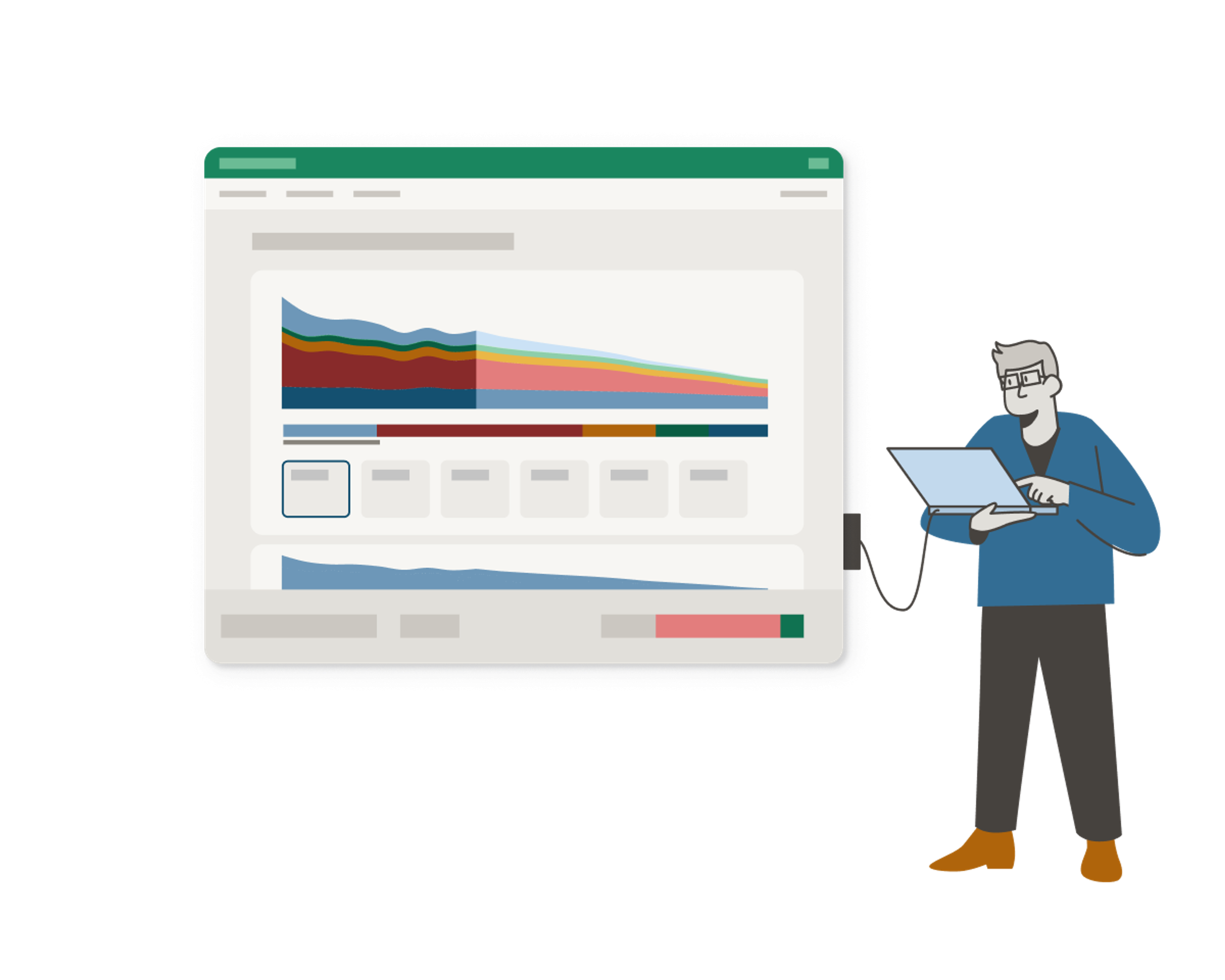

Choose the best combination of actions
Deciding on climate actions takes a lot of negotiation. With Kausal, you can activate different actions in the model and compare the outcomes of the resulting scenarios: how much each combination reduces emissions, and what it costs. This brings the facts to the table, so decision-makers can move from discussion to decisions.
Set actionable targets
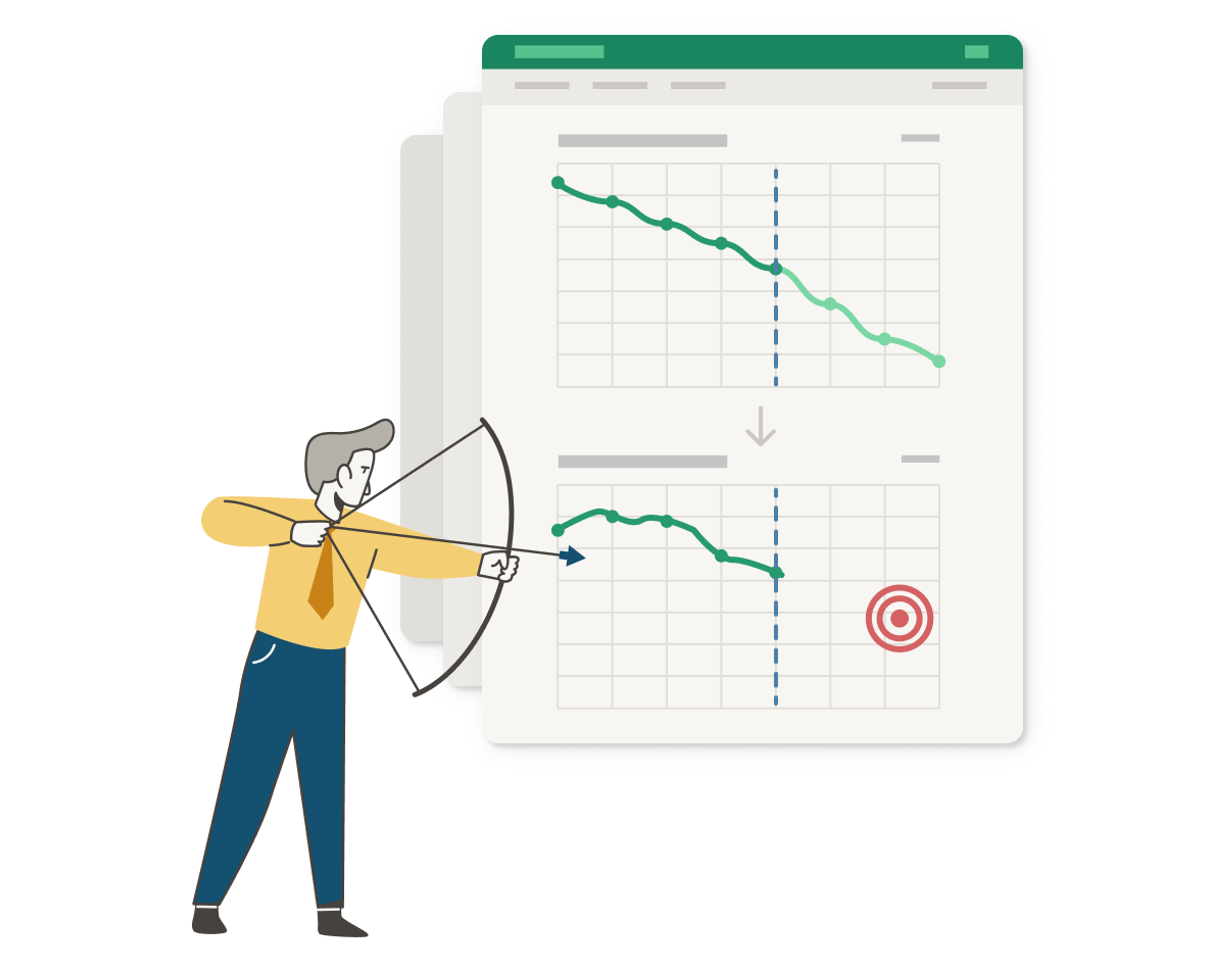
A distant goal like net zero is easier to reach when you know the steps along the way. Modelling helps you set interim targets for the years in between and communicate them clearly, so everyone can see whether you are on track to reach your ultimate goal.

Case Helsinki Physical Activity Programme
Smart indicators on Kausal Watch help track how Helsinki gets its residents to move more
Learn more about impact modelling on the Kausal platform
Kausal Paths models the causal paths (hence the name) from each action to its outcomes, such as greenhouse gas emissions, costs and health impacts. It combines three kinds of input from your city: your past greenhouse gas inventories, the actions you want to model and their expected impacts, and background trends such as population and energy production. Kausal then runs the calculations in a common methodological framework aligned with standards such as BISKO, GPC, CDP and CIRIS. The model is easy to follow: each step describes its data sources and calculations, so you can click through it and see the assumptions behind every result.
Kausal Paths uses different modelling approaches depending on the application. These include trend extrapolation and regression analysis to estimate business-as-usual scenarios, impact chain analysis to model the effects of individual actions, and scenario analysis to explore alternative future developments.
Kausal Paths presents your existing greenhouse gas inventory rather than creating it, and it is flexible about format, whether your inventory follows BISKO, GPC or another framework. Annual inventories in spreadsheet form can typically be imported automatically. The modelling itself is aligned with standards such as BISKO, GPC, CDP and CIRIS.
Kausal Paths shows your current emissions situation and a scenario all the way to your target year. It isn't real-time, though: the calculations are based on activity data, which is typically updated about once a year. Kausal Paths can also be connected with action tracking on the Kausal platform.
Yes. You can define individual target curves by entering target values for different years. This means your targets don't have to follow a straight line: they can, for example, approach the goal exponentially. The right curve depends on your city's situation and the emission source in question.
Kausal Paths lets you compare climate actions by their projected impact, cost-effectiveness and feasibility. This helps you choose the best combination of actions for your city and decide where to put your resources.
Yes. Alongside emissions and costs, Kausal Paths can estimate the health impacts of climate actions. Health costs are calculated with the DALY (Disability-Adjusted Life Years) model, which measures the burden of disease through premature deaths and years lived with disability.